Clear Ways to Reduce Tree Density and Protect Outdoor Spaces
Overcrowded trees cause many problems for homes and shared outdoor areas. Branches fight for light, roots compete for water, and weak growth follows. These issues increase safety risks and lower the health of every tree. Managing tree density protects property, improves growth, and supports long-term land value. Professional planning helps avoid damage while keeping landscapes balanced. Understanding how controlled cutting works gives you better choices for safe and steady tree growth.
Why Professional Planning Matters With Dense Tree Growth
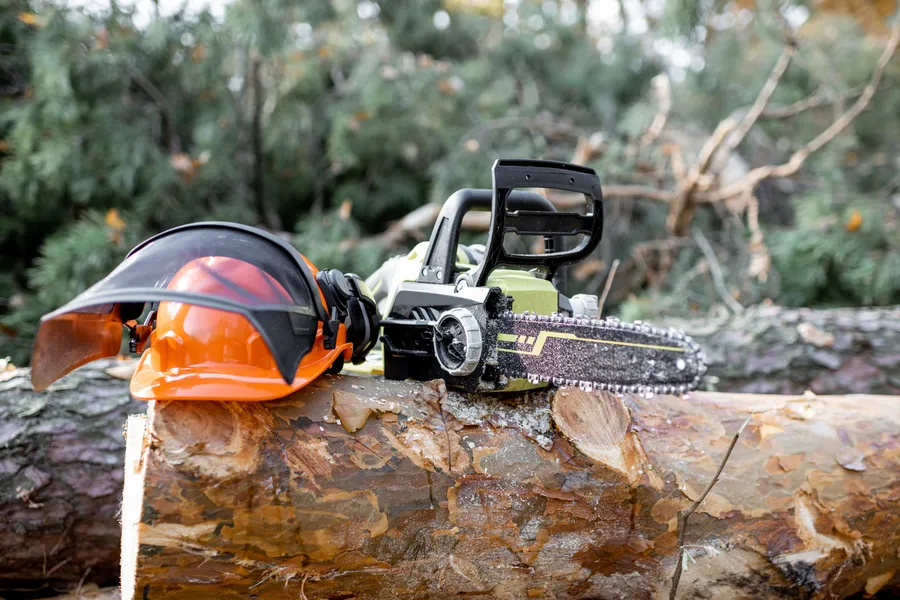
A tree cutting service helps create space between trees so each one can grow strong. This approach removes select trees instead of clearing everything at once. Crowded canopies limit sunlight and block airflow, which causes disease. Controlled cutting opens space while keeping the area stable. Professionals assess tree type, age, and location before any work begins. This process protects soil balance and nearby structures.
Key Benefits of Reducing Tree Overcrowding Safely
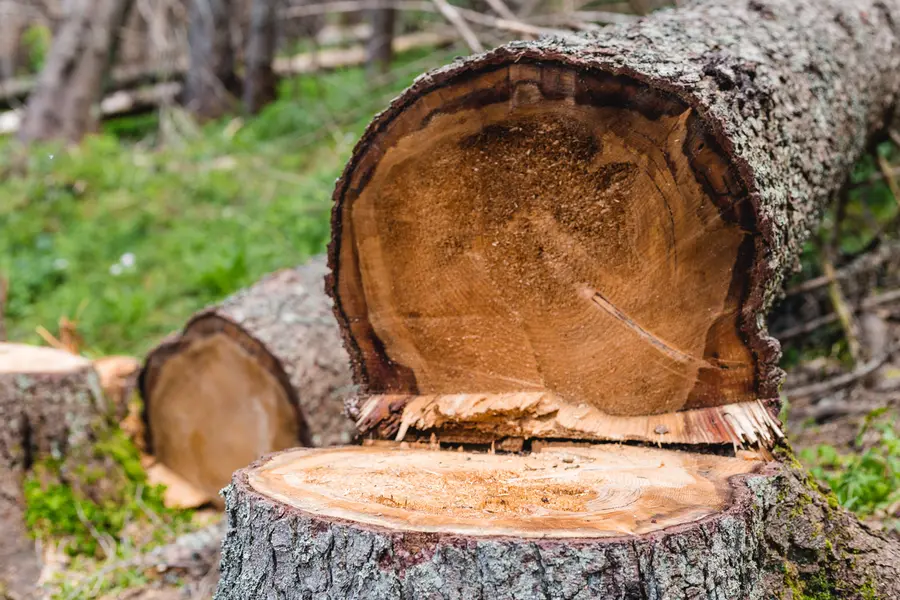
Using a tree cutting service gives clear benefits that go beyond visual appeal. Proper spacing lowers storm damage risks and reduces falling branch hazards. Trees gain stronger roots and healthier crowns after careful cutting. Property access improves for driveways, roofs, and power lines. Over time, fewer trees fail due to stress. This method supports land value and long-term safety.
- More sunlight and airflow for healthy tree growth
- Lower risk of falling branches during storms
- Improved access to buildings and walkways
- Stronger remaining trees with less competition
Common Problems Caused by Overcrowded Trees
Dense tree areas often hide risks until damage happens. Branches rub together and create wounds that spread disease. Roots push against foundations, sidewalks, and pipes. Shade becomes excessive, which harms grass and nearby plants. Wildlife pests find easy shelter in tightly packed trees. These problems grow worse when left unaddressed.
Steps Experts Follow to Manage Tree Density
Professionals use a clear process to reduce crowding without harming the landscape. Each step focuses on safety, balance, and long-term results.
- Inspect tree health, spacing, and species type
- Identify weak or hazardous trees for removal
- Plan cutting to protect soil and nearby plants
- Remove selected trees using safe equipment
- Clean the site to prevent pest attraction
Best Practices That Protect Your Trees and Property
Following proven practices keeps the land stable after cutting. Timing matters since many trees respond better during dormant seasons. Equipment choice also affects soil compaction and root damage. Experts adjust cutting depth and direction to control impact.
- Schedule cutting outside bird nesting periods
- Avoid heavy machinery on wet soil
- Leave healthy spacing based on tree species
- Inspect remaining trees after major storms
Industry Standards and Local Safety Requirements
Tree management work follows safety rules and local codes. Many regions require permits before removing large trees. Safety gear protects workers and nearby property. Disposal rules also control how wood and debris get handled. Following these standards prevents fines and ensures responsible land care.
Understanding Costs and Long-Term Value
Costs vary based on tree size, location, and access. Cutting fewer trees often costs less than full clearing. You also save money by preventing roof repairs and foundation damage. Healthy trees increase property value and lower future maintenance. Proper planning creates long-term savings.
Get Professional Help With Tree Spacing Needs
Located in Stockton, CA, we help property owners manage tree density with care and planning. Call (209) 399-4620 to discuss safer options for crowded tree areas. Gutierrez Tree Service focuses on long-term land balance and clear results through proven methods. We support healthy growth while protecting structures, landscapes, and future value.