Clear Guidance for Health, Safety, and Long Term Tree Care With Practical Detail
Trees need care to stay safe, healthy, and attractive. Many property owners mix up pruning and trimming. These tasks sound similar but serve different goals. Knowing the difference helps you protect your trees and control costs. It also helps you choose the right time and method. Poor cuts can harm growth and raise safety risks. Correct care supports strong branches, better shape, and fewer hazards. This guide explains how each method works, why it matters, and how to decide what your trees need.
Core Purpose and Goals With Each Method Explained
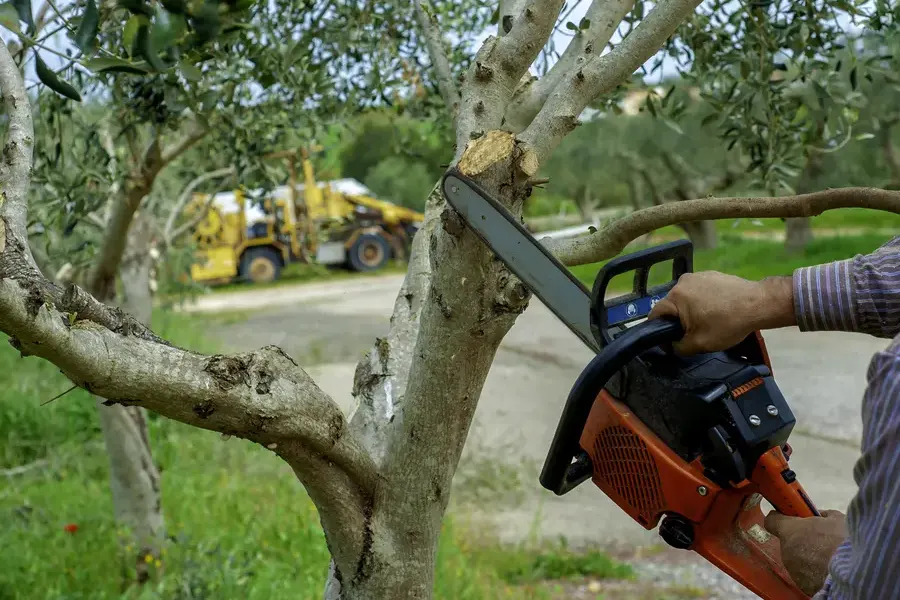
Pruning focuses on tree health and structure. It removes dead, weak, or diseased branches. This process reduces risk from falling limbs. It also helps trees grow in a controlled way. Trimming focuses on appearance and clearance. A tree trimming service is often used to keep trees neat near homes and roads. Trimming shapes the canopy and manages size. Both tasks matter, but they solve different problems.
Benefits for Property Owners With Safety and Growth in Mind
Pruning lowers the chance of injury and damage. It removes branches that cross or rub. This stops wounds that invite pests. Trimming improves curb appeal and light flow. Many owners use a tree trimming service to keep views clear and branches away from roofs. Regular care can also raise property value. Well kept trees stress less structures and need fewer emergency fixes.
Common Challenges Homeowners Face With Tree Care Decisions
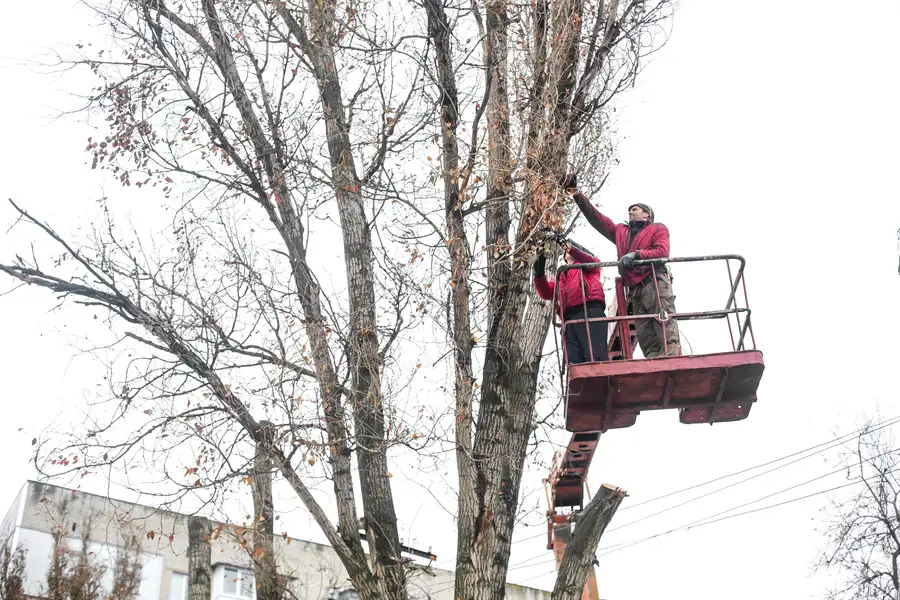
Many people are unsure when to prune or trim. Wrong timing can slow growth. Over cutting can weaken a tree. Some trees need seasonal care. Others need care after storms. Cost worries also cause delays. DIY work leads to poor cuts and safety risks. Ladders and chainsaws increase injury chances. These problems grow when tasks are not planned.
Pruning Versus Trimming Compared With Clear Differences
- Pruning removes sick or risky branches to protect health
- Trimming shapes growth to improve look and clearance
- Pruning often needs trained judgment and proper cuts
- Trimming follows a set plan for size and balance
- Pruning reduces pests and disease spread
- Trimming supports steady growth control
Step by Step Approach With Safe and Effective Results
- Inspect the tree for dead or damaged limbs
- Decide if health or appearance is the main goal
- Choose the right season for the tree species
- Mark branches to remove before cutting
- Use proper tools and safety gear
- Clean tools between cuts to limit disease
Best Practices With Industry Standards and Timing
- Follow ANSI A300 standards for pruning cuts
- Avoid topping which causes weak growth
- Prune young trees to guide strong structure
- Trim lightly to keep natural shape
- Keep branches away from power lines
- Schedule work outside active nesting seasons
Costs and Value With Long Term Planning Considerations
Pricing depends on tree size, access, and risk. Pruning often costs more due to skill needs. Trimming costs less for routine care. Regular maintenance lowers emergency costs. Healthy trees live longer and need fewer fixes. Spending a bit each year can prevent costly removals. Clear goals help avoid paying for the wrong service.
Next Steps With Professional Support and Lasting Results
Located in Stockton, CA, we help property owners make smart care choices with clear plans. Gutierrez Tree Service focuses on safe methods, proper timing, and long term tree health. We handle both health focused pruning and appearance based care with proven standards. Call (209) 399-4620 to schedule an evaluation and protect trees with confidence while improving safety and value.