Knowing the Signs That a Tree Has Become a Safety or Property Risk
Trees add shade, beauty, and value to your yard. They can also become serious risks when health or structure fails. Many owners wait too long before taking action. That delay can lead to damage, injury, or high repair costs. Knowing when removal makes sense helps you protect people and property. This guide explains clear warning signs, benefits, costs, and rules. You will also learn best practices and steps to take. The goal is simple safety, value, and smart decisions for your landscape.
Key Safety Signs That Call for Professional Attention With Trees
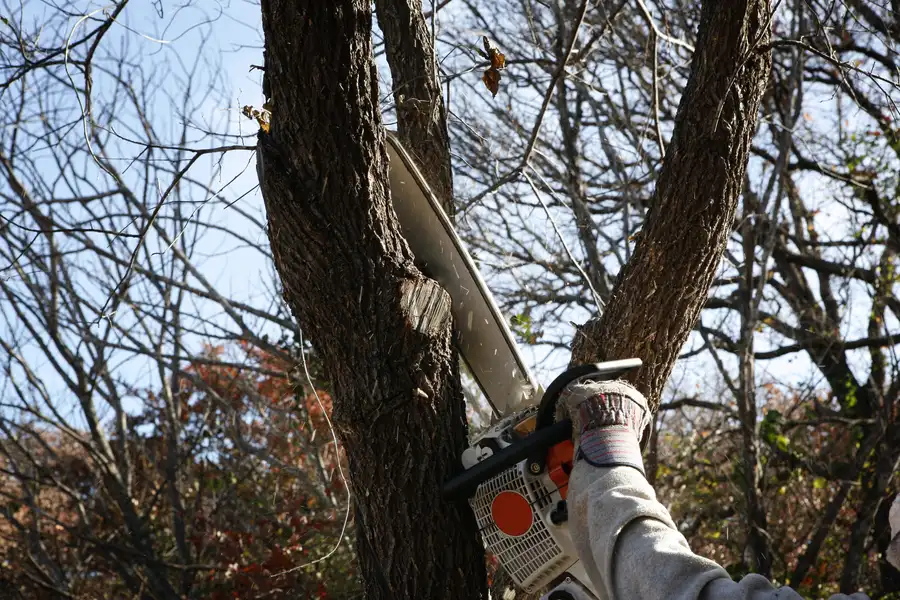
Visible risks often signal the need for a tree removal service before damage occurs. Leaning trunks, cracked bark, and large dead limbs show structural failure. Roots lifting sidewalks or foundations point to instability. After storms, hidden damage can weaken wood fibers. These signs matter because falling trees cause injuries and costly claims each year. Acting early reduces risk and limits costs. A trained crew can confirm danger levels and decide the safest path forward.
Benefits of Timely Action With High-Risk Trees
Choosing a tree removal service at the right time brings clear benefits. It protects homes, cars, and people from sudden falls. It also prevents disease spread to nearby plants. Removing one failing tree can save a healthy yard. Insurance claims may be avoided when hazards are addressed early. Property value often improves when safety issues are resolved. Peace of mind is another gain you can feel every day.
Common Problems Homeowners Face With Unsafe Trees
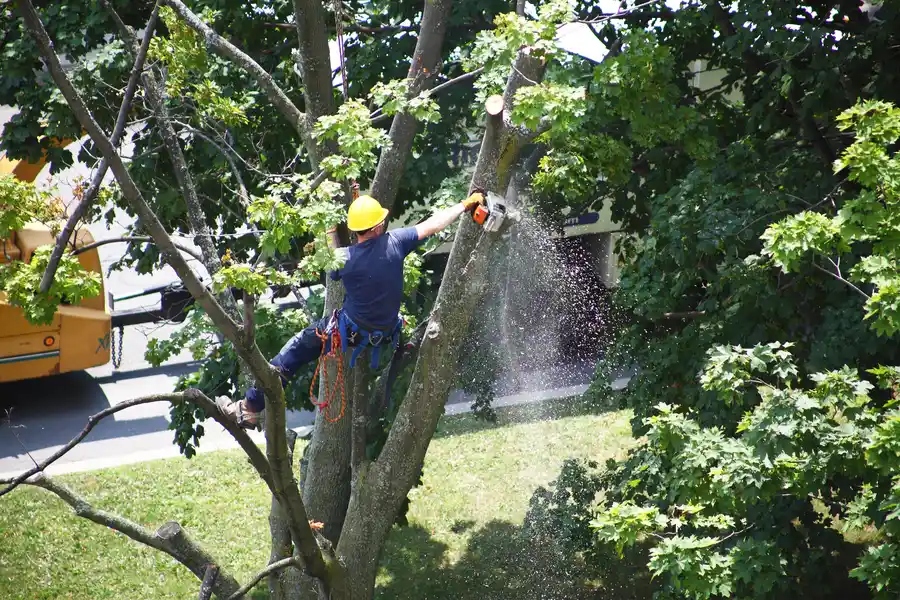
Many owners struggle to judge risk and timing. Trees may look fine outside but rot inside. Access issues, power lines, and tight spaces add complexity. Costs feel unclear, which delays action. Some worry about permits or neighbor disputes. Poor past experiences also create doubt. These problems increase stress and raise the chance of emergency work, which often costs more.
Pros and Cons of Removing a Damaged Tree With Care
Removal is a serious decision that needs balance. Comparing benefits and drawbacks helps you decide wisely.
- Pros: improves safety and reduces liability
- Pros: stops disease from spreading to other trees
- Pros: opens space for healthy growth and light
- Cons: upfront cost can feel high
- Cons: shade and privacy may be reduced
- Cons: permits or approvals may be required
Clear Steps to Decide If Removal Is the Right Choice With Confidence
A simple process helps remove guesswork. Follow these steps to act with confidence.
- Inspect for visible damage like cracks, dead limbs, or fungus
- Check lean angle and root movement after heavy rain
- Note proximity to homes, roads, and power lines
- Get a professional inspection and written assessment
- Compare repair options versus full removal
Best Practices for Safe and Responsible Tree Decisions With Experts
Smart practices lower risk and ensure good outcomes. Use these tips to guide your choices.
- Schedule routine inspections every one to two years
- Act early when warning signs appear
- Choose licensed and insured professionals
- Ask about cleanup and stump handling
- Document work for insurance records
Industry Rules, Permits, and Cost Factors With Compliance
Local rules often govern removal, especially for protected species. Permits may be required before work starts. Utility coordination is needed near power lines. Costs depend on size, location, access, and risk level. Emergency jobs cost more due to urgency and safety needs. Value comes from avoiding future damage. Understanding standards helps you plan and budget with fewer surprises.
Next Steps for Safe Property Planning With Professional Support
When safety concerns arise, timely action makes a real difference. Located in Stockton, CA, we focus on clear guidance and safe outcomes for every property. Call (209) 399-4620 to discuss inspection needs and scheduling options. Gutierrez Tree Service provides experienced support that prioritizes safety, compliance, and long-term value for every client.