How Proper Care Reduces Risk and Protects People and Property
Trees add shade, value, and comfort to many homes and businesses. They can also create real danger when branches grow too fast or too weak. Heavy limbs may fall during storms or high winds. Power lines, roofs, and cars often sit below tree canopies. This makes proper care a safety need, not just a visual choice. Trained crews understand structure, weight balance, and growth habits. Their work helps prevent damage and injuries before they happen.
Key Safety Benefits You Gain With Professional Work
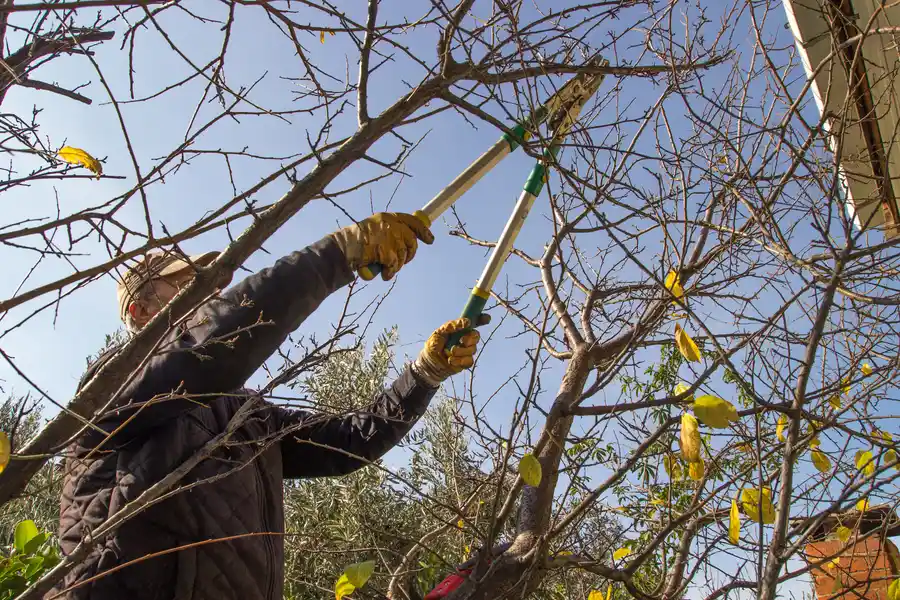
A trained crew brings planning and caution to every job. Using a tree trimming service lowers risk because experts understand how branches fall and shift. They spot weak limbs before they break. They also protect nearby people and buildings during the job. This approach reduces emergency calls and costly repairs later. Research from insurance groups shows falling limbs cause thousands of injuries each year. Careful trimming helps avoid those incidents.
- Reduces risk of falling branches near people and vehicles
- Protects roofs, fences, and power lines from damage
- Improves tree strength and long-term stability
Common Safety Problems From Poor Tree Care
Many accidents happen after rushed or improper cutting. A second risk comes from using an untrained tree trimming service without safety planning. Ladders may slip. Tools may fail. Branches can swing toward homes or streets. Trees can also become unbalanced, making future falls more likely. These issues put families and neighbors at risk. They also expose property owners to liability claims.
How Professionals Handle Trimming Step by Step
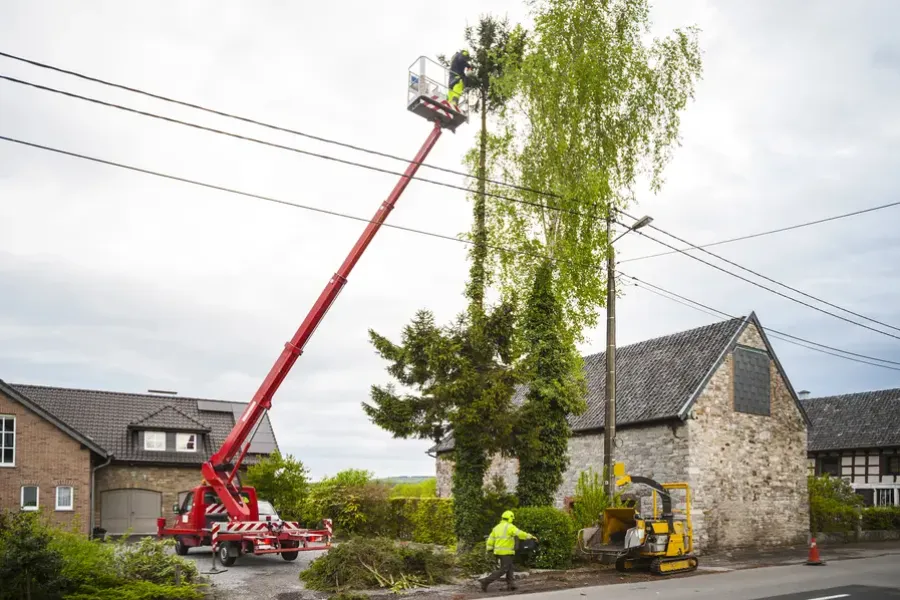
Experts follow a clear process to keep each site safe. They plan cuts before touching equipment. This limits surprises during the job and keeps control.
- Inspect the tree for cracks, rot, and weight distribution
- Set clear drop zones away from people and structures
- Use proper cuts that guide branches downward safely
- Remove debris quickly to prevent tripping hazards
Best Practices That Improve Safety Every Season
Skilled crews follow proven habits that protect you year-round. Timing and technique matter as much as tools. Cutting during calm weather reduces risk. Regular care keeps trees healthy, which lowers breakage.
- Trim during dormant seasons when growth slows
- Avoid cutting too close to the trunk or roots
- Inspect trees after major storms or high winds
Industry Standards and Safety Requirements
Professional trimming follows clear rules. Many crews follow ANSI A300 standards. These define proper cuts and worker safety steps. Crews also wear helmets, gloves, and eye protection. They train on equipment use and emergency response. Local rules may require permits near roads or power lines. Following these standards keeps workers and the public safer.
Understanding Costs and Long-Term Value
Costs depend on tree size, height, and location. Trees near homes or wires take more care. While professional work costs more upfront, it saves money later. Fewer emergencies mean fewer repairs. Healthy trees also last longer. This protects property value and reduces insurance claims linked to falling limbs.
Comparing Professional Care Versus DIY Risks
Many property owners consider trimming on their own. The risks often outweigh the savings.
- Pros of professional care: trained crews, safer methods, and proper equipment
- Cons of professional care: higher upfront cost for skilled labor
- Pros of DIY: lower immediate cost
- Cons of DIY: higher injury risk and potential property damage
Taking the Smart Step Toward Safer Trees
Protecting people and property starts with smart choices. Located in Stockton, CA, we focus on planned care that reduces risk. Our crews work together to keep every site controlled and orderly. Gutierrez Tree Service builds safety into every job we handle. Call (209) 399-4620 to discuss clear options and next steps for safer trees.